

Drafting the Current Best Men's College Basketball Coaches, Round One
I promise this isn't as boring and overdone as you think

When NBA front offices consider whom to draft in two weeks at the Barclays Center, they’ll weigh far more than a player’s tape. A prospect’s projected role within the organization, developmental timeline, and long-term outlook all carry significant value. Similar factors should be considered when evaluating college basketball coaches. Rick Barnes is a top-15 coach in the sport, but he is 71. Jon Scheyer has yet to turn 40 and has led arguably the best team in college basketball over the past two seasons, but he also benefits from coaching the sport’s premier brands1.
For this exercise, we’ll be drafting coaches to identical programs, each with the same roster, budget, and conference affiliation. Coaches may retain their current assistant staffs, but potential departures to the NBA will not be factored in. This exercise will be judged from 2026 onward, with assuming a relatively similar retirement age for the coaches.

If a coach retires, they are replaced by a replacement-level coach. This prevents Hall of Fame coaches from being drafted early simply because one can plan to reload through the coaching carousel and remain competitive. As a result, there is a fascinating tradeoff between selecting a coach like Rick Pitino for a few elite seasons or betting on a younger coach who could sustain success for decades.
While youth will be prioritized, a proven track record of winning at a high level remains essential. To help evaluate these candidates, we’ll focus on age, years at the high-major(ish) level, and NCAA Tournament success contextualizing that with their program’s prestige.
This week, we’ll cover the first round before moving on to Round 2 next week, where we’ll highlight deeper cuts and give some deserved recognition to coaches nearing the end of their careers.
Tier Six: First Round Flyer
R(ound) 1, P(ick) 30 - Flynn Clayman
Age: 37
Clayman is winning at an impressive rate for a Big South program, though High Point’s NIL resources significantly exceed those of its conference rivals. Before the NCAA Tournament, skeptics pointed to a résumé that lacked a single top-100 opponent despite a dominant conference run. Then High Point stunned Wisconsin in one of the tournament’s most memorable upsets.

That victory demonstrated Clayman’s ability to compete above his weight class. As a first-year head coach who inherited the league’s strongest program, there are still questions about how he would perform under less favorable circumstances. A more challenging schedule this season should provide additional answers. Even so, any Big South program capable of defeating a Big Ten opponent will attract attention, and Clayman has already left a strong impression.
R1, P29 - Mark Few
Age: 63
Despite being one of the older coaches considered, Mark Few remains one of the sport’s great program builders. Gonzaga was a good program before his arrival, but it was nowhere near the national power it became under his leadership.
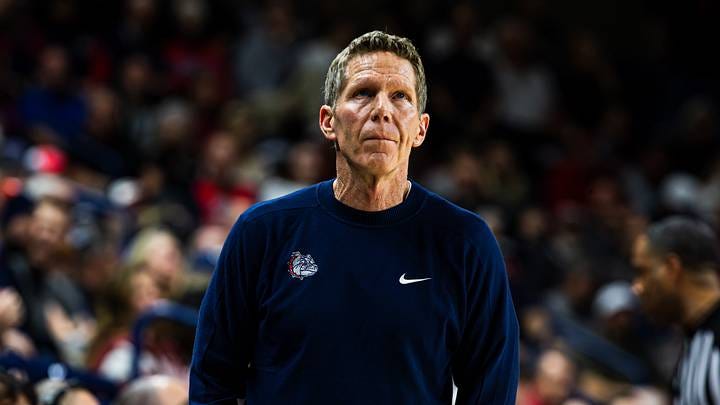
This season will offer valuable insight into the program’s future ceiling. Moving into a stronger Pac-12 raises an interesting question: will increased competition lower Gonzaga’s floor as a perennial tournament team, or raise its ceiling by preparing it for March? More data would help determine how highly to rank a coach who may only have another decade on the sideline. What separates Few from many other veteran coaches is that he built the machine rather than simply maintaining it.
R1, P28 - Pat Kelsey
Age: 51
The Louisville coach has reached five NCAA Tournaments in the past six seasons across three different conferences. Winthrop was one of the better-funded programs in the Big South, where he won consistently for nearly a decade before moving to Charleston and eventually Louisville. His first season at Louisville exceeded expectations given the injury issues the team faced. Year two was more disappointing. Entering the season with Final Four expectations, Louisville lost double-digit games and never truly dominated conference play. There are legitimate questions about the program’s ceiling despite significant NIL investment in consecutive years. Still, Kelsey’s ability to win at three different schools strengthens his case, even if Charleston and Winthrop were among the better-supported programs in their leagues.
R1, P27 - Shaheen Holloway
Age: 49
Coach Holloway has led some of the least-funded programs in both conferences he has coached in, spending four seasons at Saint Peter’s and four at Seton Hall. He has made just one NCAA Tournament during that span, but it was certainly memorable. Even before that historic run, Saint Peter’s was a strong MAAC program in the two seasons leading up to its automatic bid campaign.
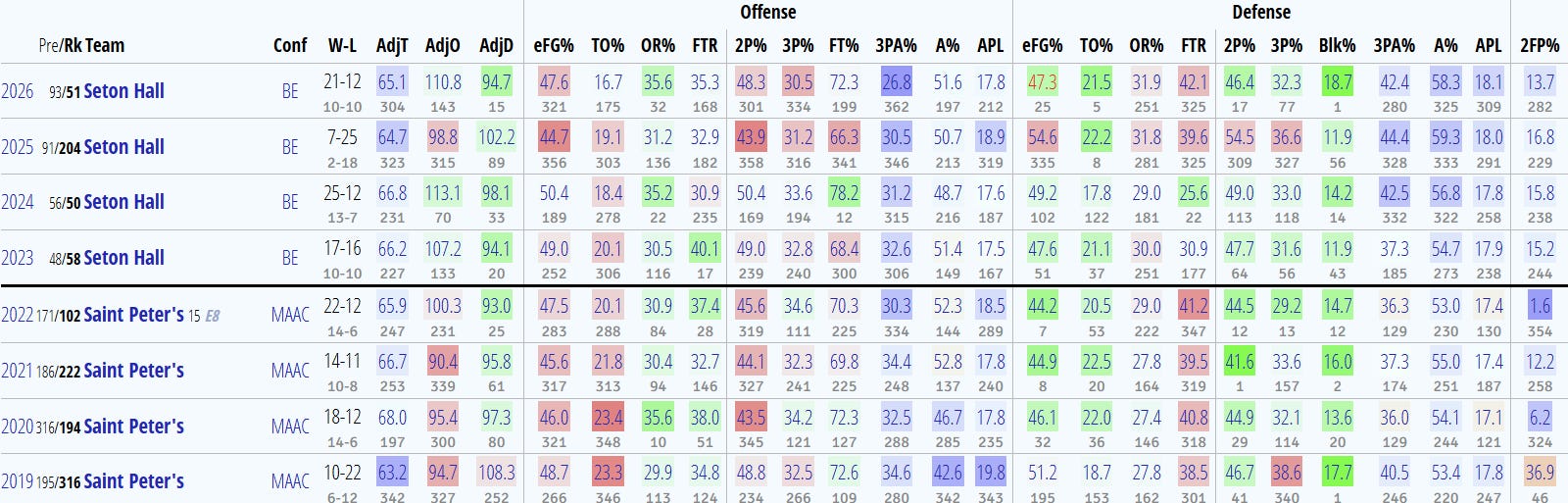
At Seton Hall, three of his four teams have outperformed the program rank. This is one of the most difficult eras to coach an underfunded program, yet Holloway still managed to guide a team that was almost universally projected to finish last in the Big East to 20 wins and a clear fourth-place standing in the conference. While the Pirates never became a serious NCAA Tournament contender, the overachievement was undeniable. Competing against 10 conference rivals with significantly greater resources creates a difficult ceiling. If Holloway operated on a more level financial playing field, it is reasonable to believe he would enjoy far greater success in the Big East.
R1, P26 - Will Wade
Age: 43
Few coaches have worked at five schools before turning 45, but Will Wade has managed it. He has won at every level, reaching the Sweet 16 at LSU and likely fielding an even better team in 2022 had he not been dismissed amid NCAA violations. His 2025 run with McNeese may be his most impressive coaching achievement. While McNeese was positioned well within the Southland, winning a NCAA Tournament game, knocking off an ACC opponent, is an entirely different challenge. Ethics aside, this exercise assumes coaches remain in place until retirement, removing concerns about future departures or off-court issues. Purely as a coach, Wade’s résumé is difficult to ignore.
Tier Five: Lower Ceiling Guys
R1, P25 - Ryan Odom
Age: 51
In his fourth program since 2021, Odom has steadily climbed the ladder while reaching the NCAA Tournament in the America East, Mountain West, A-10, and ACC. His first season at Virginia was strong from start to finish, even if the Cavaliers never looked truly elite.
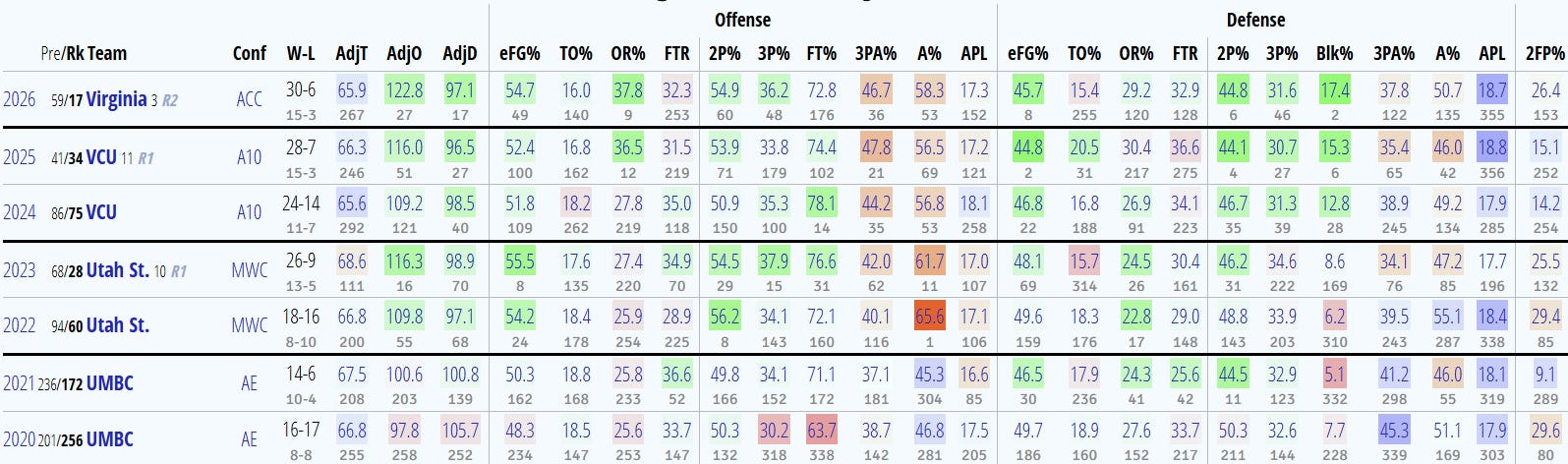
What separates Odom is the variety of his success. He has won at multiple schools, in multiple conferences, and under very different circumstances. While his last three stops have all enjoyed strong institutional support, having resources and consistently winning with them are two different things.
R1, P24 - Scott Cross
Age: 51
Cross recently turned 50 but has nearly two decades of coaching experience. He produced the best season in UT Arlington’s KenPom history, won 20 games the following year, and was still fired. Troy quickly hired him, and he transformed the program into a consistent winner. Troy is far from a premier Sun Belt job, making consecutive automatic NCAA Tournament bids in a 14-team league even more impressive. Cross appears to be an excellent fit at Georgia Tech, where maximizing limited resources will be critical. If all coaches operated on equal footing, he would likely rank even higher than how he is viewed nationally.
R1, P23 - Fred Hoiberg
Age: 53
Hoiberg finally broke through this past season, leading Nebraska to the Sweet 16 and the first NCAA Tournament victories in program history. It took time to regain momentum after his NBA stint and successful run at Iowa State, but this was the best season of his coaching career.
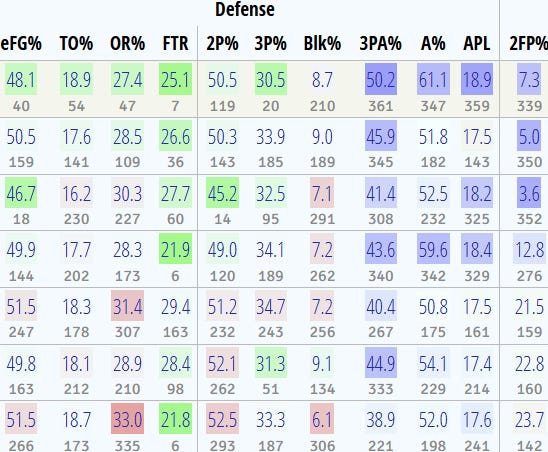
Some of Nebraska’s success was driven by outstanding three-point defense, an area where variance can play a role, but the overall achievement remains impressive given the program’s history. The main difference between Hoiberg and someone like Ben McCollum, at another Big Ten program that ranks near the bottom of the conference in financial support is age.
R1, P22 - Shaka Smart
Age: 49
Shaka, still not yet 50, would have ranked higher a year ago. His decision to avoid transfer portal utilization worked in 2025 but backfired this past season. Now blending portal additions with retention and player development, he enters a pivotal year. Since his Final Four run at VCU, he has not replicated that level of tournament success, though bad luck has often played a role. Coaching at a program willing to be patient gives him room to adapt, and if he continues proving he can win in the modern era, he would be one of the most attractive coaching candidates in the country.
R1, P21 - Jordan Fee
Age: 38
Jordan Fee authored the greatest single-season turnaround in NCAA history, regardless of division or gender, taking Gannon from 3-23 before his arrival to 32-3. He spent the previous season as an assistant at FAU, and the system he implemented at Gannon, along with several players he developed, helped fuel a national championship run the following year. Fee has already proven himself as a head coach.
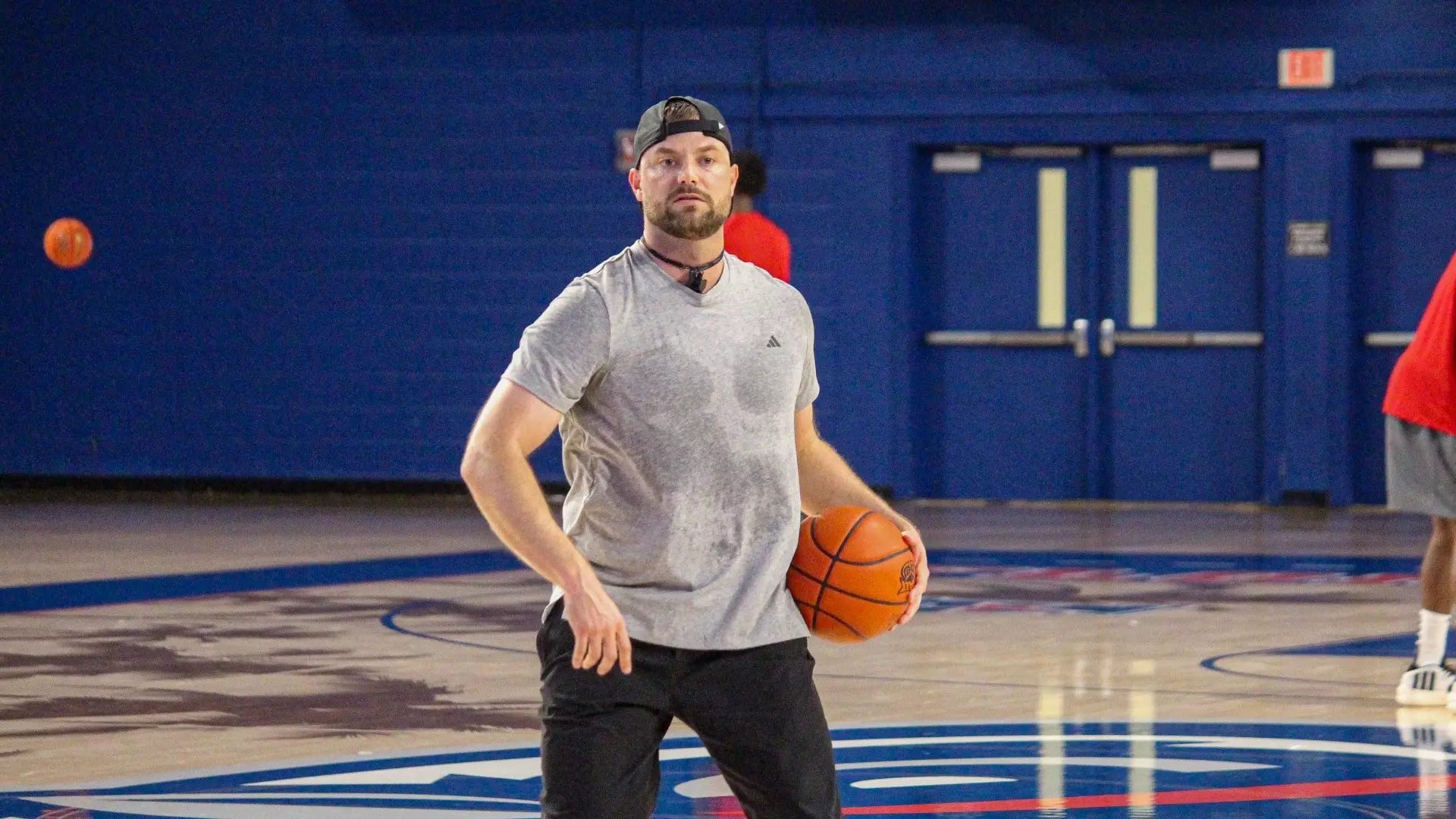
The Ben McCollum comparison is an obvious one, though Fee is nearly a decade younger and has a shorter track record. Lamar is also a more difficult place to win than Drake, which could make his rise slower. Even so, taking over a struggling program and immediately leading it to 32 wins suggests he can succeed almost anywhere.
R1, P20 - Eric Olen
Age: 45
A coach firmly on the rise, Olen came close to reaching his second NCAA Tournament in as many seasons. He took over a young UC San Diego program, helping it transition to Division I and built it into a 30-win team by 2025. He then followed that with a successful first season at New Mexico, coming within reach of an NCAA Tournament berth despite returning none of the previous year’s minutes. Building a contender from the ground up at a newly transitioned Division I program is a substantial challenge regardless of conference affiliation, and Olen handled it exceptionally well. Despite spending more than a decade at UC San Diego, he is still only in his mid-40s, making him one of the more intriguing rising coaches in the sport.
Tier Four: Fringe Lottery Talent
R1, P19 - Chris Beard
Age: 53
Beard’s stock took a hit after a disappointing 2026 season at Ole Miss, but his résumé extends well beyond his SEC tenure. His experiences at Texas and Ole Miss represent very different challenges, yet he has succeeded almost everywhere he has coached. Had he not assaulted his fiancée while at Texas, there is a reasonable chance the 2022 team would have contended for a national championship.
If Rodney Terry could guide Beard’s roster to the Elite Eight, it is fair to wonder whether Beard himself might have reached a second national title game in four seasons. In many ways, Beard laid the foundation for Texas Tech’s rise before Grant McCasland took it to another level. Prior to Beard’s arrival, Texas Tech was rarely a major factor in the Big 12. His five-year run in Lubbock may represent one of the better stretches in coaching history.
R1, P18 - Jerrod Calhoun
Age: 44
Calhoun has risen quickly through the coaching ranks and enters his third season at Utah State. While Logan is often viewed as a place where winning comes easier than expected, the same cannot be said for Youngstown State. Calhoun won 24 and 22 games at his last two seasons in the Horizon before making a seamless transition to Utah State. Now he will try to sustain that success in the Big 12. Utah State’s reputation is built largely on consistently hiring quality coaches, as Ryan Odom recently demonstrated by leveraging his success there into a move to the ACC. With a track record that includes seven seasons at Youngstown State, Calhoun’s success is far more than a short-term surge. Despite nearly a decade of head coaching experience, he is still only in his mid-40s, leaving plenty of room for further growth.
R1, P17 - Kahil Fennell
Age: 43
One of the most impressive hires of the past offseason was Western Michigan’s addition of former UTRGV coach Kahil Fennell. UTRGV entered last season with a program ranking of 326 and finished 117th in KenPom, the best mark in school history.
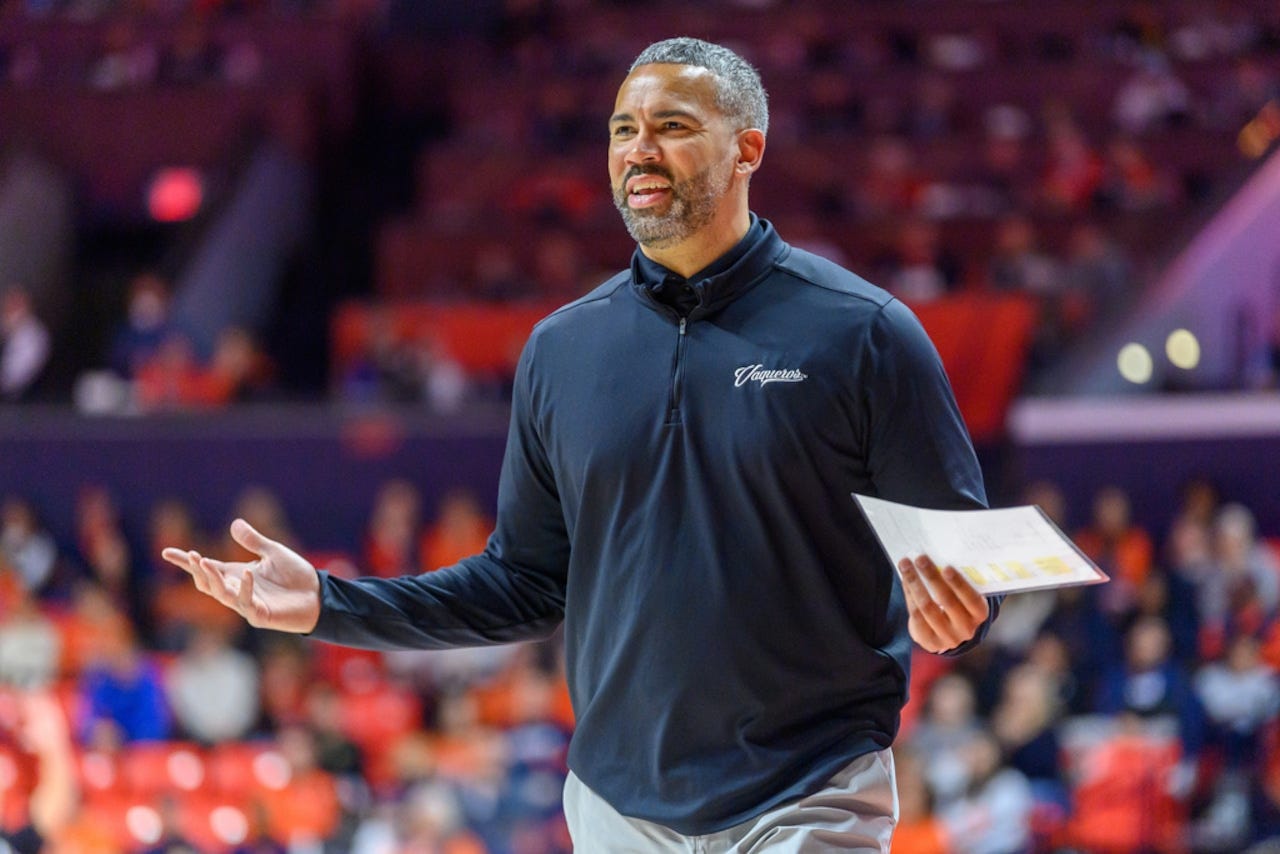
Western Michigan has not finished inside the top 200 since 2018, making this a significant swing. Fennell has only a two-year head coaching track record after arriving from Mark Pope’s BYU staff, but winning at one of the more challenging jobs in the country deserves attention. While his résumé remains limited, success at the lower end of Division I makes him a worthwhile bet. His progress in the MAC will be worth monitoring.
R1, P16 - Josh Schertz
Age: 50
It will likely take more than a mediocre power-conference job to lure Josh Schertz away from Saint Louis, especially with the program reportedly operating on an eight-figure NIL budget that rivals many high-major schools. Before fading late in the season, Saint Louis looked like a legitimate Final Four contender. Schertz has only one season as a head coach without Robbie Avila, but unlike his first year at Saint Louis, this team’s success was driven as much by the supporting cast as by Avila himself.
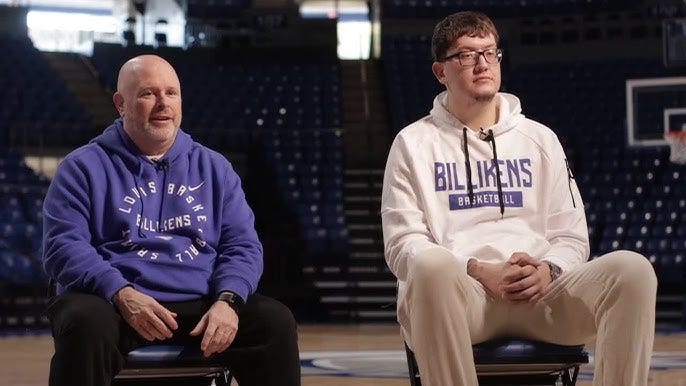
Without an established presence at center, it remains to be seen whether Schertz’s offense will look the same this season. That question ties into a larger one: how much of Schertz’s success can be separated from Avila’s impact? More data is needed. If Saint Louis earns another at-large bid this season, the program’s conference affiliation will no longer be a valid excuse for a lack of deep tournament success given its level of investment. Schertz is clearly one of the sport’s elite coaches. Whether he is also an elite program builder might be a question answered this season.
R1, P15 - Scott Drew
Age: 55
Since winning the national championship in 2021, Scott Drew’s results have gradually declined. Baylor failed to advance past the Round of 32 and then missed the NCAA Tournament for the first time since 2018. Prior to Drew’s arrival, Baylor was one of the league’s weaker programs, and it still lacks the advantages enjoyed by some of the conference’s traditional powers. Defense has become a significant concern, though the return of Jerome Tang offers hope on that end of the floor. Despite spending more than two decades in Waco, Drew is still only in his mid-50s. Whether he remains motivated to stay long term after reaching the sport’s highest peak remains an open question.
R1, P14 - Takayo Siddle
Age: 40
Following a forgettable 2021 season, Siddle has produced five consecutive impressive years, winning at least 20 games each season. His work was finally rewarded with an NCAA Tournament appearance in 2025 after several previous teams were strong enough to dance but fell short in the CAA Tournament. What makes his success especially noteworthy is the program’s history. Outside of a brief Kevin Keatts era, UNCW largely underachieved for much of the previous two decades. From 2007 through 2021, the Seahawks recorded just three 20-win seasons. Siddle, who turned 40 in May, already has five. It is somewhat surprising that he has not moved on to a larger job, but he has repeatedly demonstrated an ability to maximize what UNCW can be.
Tier Three: Some More to Prove
R1, P13 - Mark Byington
Age: 50
Byington took an unconventional path up the coaching ladder and is older than many coaches with a similar résumé. He spent seven seasons at Georgia Southern and traded a lower-tier Sun Belt job for a higher before finally breaking through. It took more than a decade as a head coach to reach his first NCAA Tournament, but he has since made three consecutive appearances and came within a bounce or two of reaching the Sweet 16.
Vanderbilt remains one of the SEC’s more challenging jobs despite retaining Tyler Tanner. Byington has built offenses with consistently high floors, and if he can continue improving the team’s size and physicality on defense, he has the potential to field balanced, high-ceiling teams on a yearly basis. Given the right breaks, he could realistically contend for a national championship.
R1, P12 - Grant McCasland
Age: 49
Before last season, McCasland had outperformed his preseason KenPom projection every year as a head coach. That streak ended largely because an already thin roster lost All-American JT Toppin to injury. Texas Tech’s substantial financial backing makes it highly competitive in the NIL era, but McCasland’s coaching philosophy remains notable. He has not ranked inside the top 200 nationally in bench utilization since 2019, suggesting a preference for building around a trusted core rather than deep rotations. He won consistently at North Texas, including a top-35 team in his final season, and has now succeeded at three different programs. He likely should have reached the Final Four in 2025 and has a history of outperforming tournament expectations, most notably leading 13-seed North Texas to an upset of Purdue in 2021.
R1, P11 - Matt Painter
Age: 55
Painter may have missed his best opportunity to win a national championship despite coaching both the NCAA’s all-time assists leader and Zach Edey, but he remains one of the sport’s top coaches and is younger than many realize. Purdue is not funded at the same level as some of its Big Ten rivals, and Painter’s roster construction reflects that reality. Rather than chasing large transfer classes or relying heavily on elite freshmen, he typically adds one or two transfers each season to complement a core of retained and developed players. The model is built on continuity, development, and system fit, making his success more portable than approaches that depend on significant financial investment.
R1, P10 - Bryan Hodgson
Age: 39
Hodgson is heading to his third school in as many years despite entering this season with only three years of head coaching experience.

His path has been remarkably linear, progressing from assistant coach to the Sun Belt, then the American, and now the Big East. It did not appear he would be one-and-done at USF until the team’s late-season surge. Sitting at 11-7 in mid-January, the Bulls looked solid but unspectacular, and they failed to capitalize on several nonconference opportunities to establish themselves as an at-large contender. Everything changed during an 11-game winning streak leading into the NCAA Tournament, fueled by an up-tempo offense and strong interior defense. That run earned USF a first-round matchup with Louisville. Both USF and Arkansas State are well-resourced programs relative to their leagues, which deserves consideration. Even so, whether driven by resources or coaching, Hodgson has repeatedly demonstrated an ability to improve programs quickly, suggesting he is the real deal.
Tier Two: Elite but With a Catch
R1, P9 - Tommy Lloyd
Age: 51
Since arriving from Gonzaga’s staff, Lloyd has been one of the winningest coaches in the country. He finally broke through in the NCAA Tournament this past season with a Final Four appearance, regardless of the powerhouse that ultimately ended Arizona’s run.
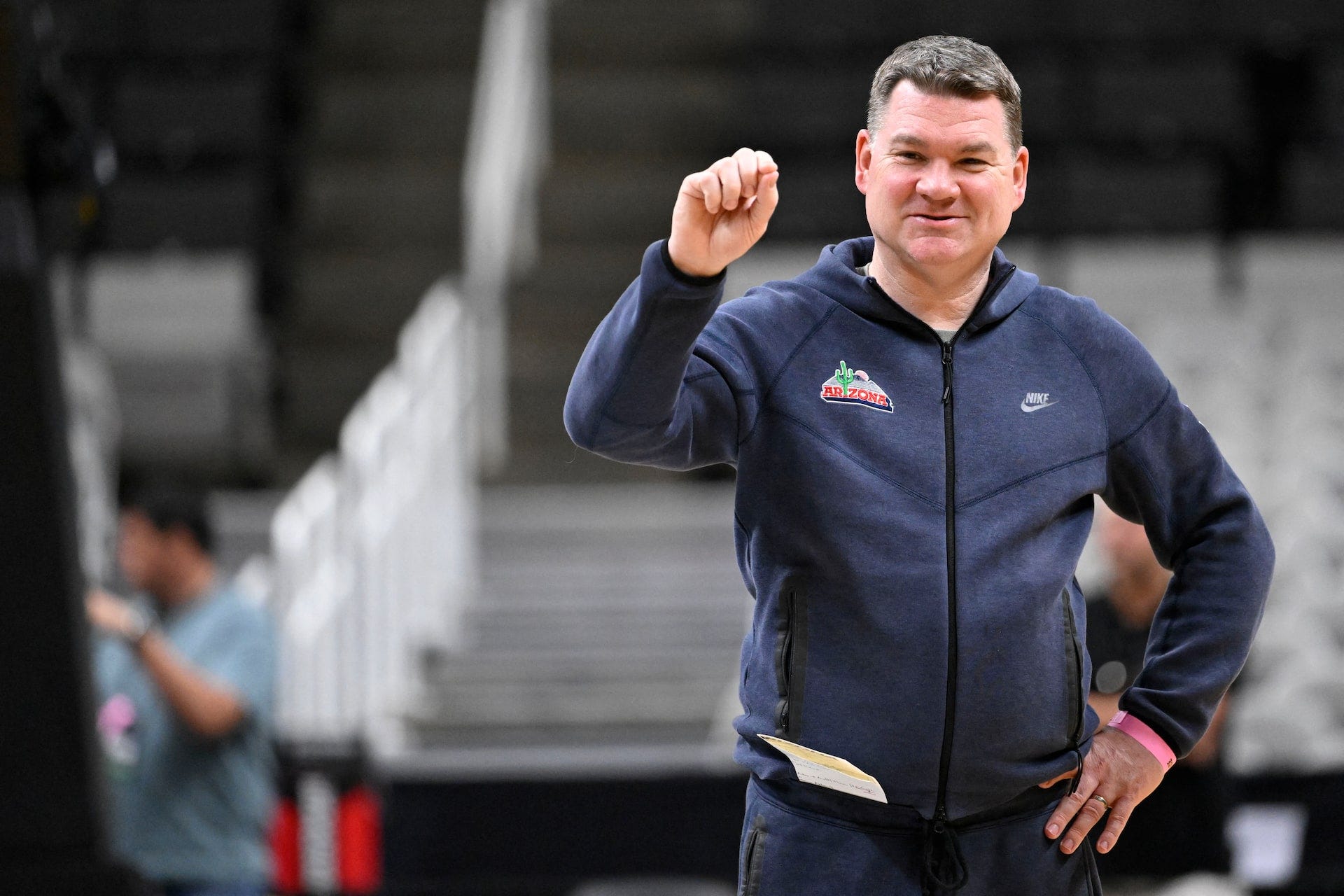
Arizona is one of the better-resourced programs in the Big 12, and it seems unlikely Lloyd will leave anytime soon after declining to interview for the North Carolina opening, meaning we lack perspective to see where he may perform outside of Arizona.
R1, P8 - T.J. Otzelberger
Age: 48
Otz’s tenure at UNLV was solid rather than spectacular, but Iowa State was coming off a two-win season when he arrived. Reaching the Sweet 16 in year one immediately demonstrated how dramatically he exceeded expectations. The biggest criticism is that he has yet to advance beyond the Sweet 16. Injuries have played a role over the past two seasons, and he has fielded teams capable of making the Final Four, but the breakthrough has not come. Iowa State is not one of the Big 12’s premier jobs, and much of its success has been driven by player development and transfers from smaller programs rather than blue-chip recruiting. Given equal resources across the board, his consistently high floor would likely be viewed even more favorably.
R1, P7 - Nate Oats
Age: 51
Oats has established both a high floor and a clear ceiling, reaching the second weekend in five of the past six seasons. He has made the NCAA Tournament in all but two years as a head coach, including three appearances at Buffalo. Buffalo has struggled to maintain that level since his departure, while Alabama was far from a basketball power before he arrived.
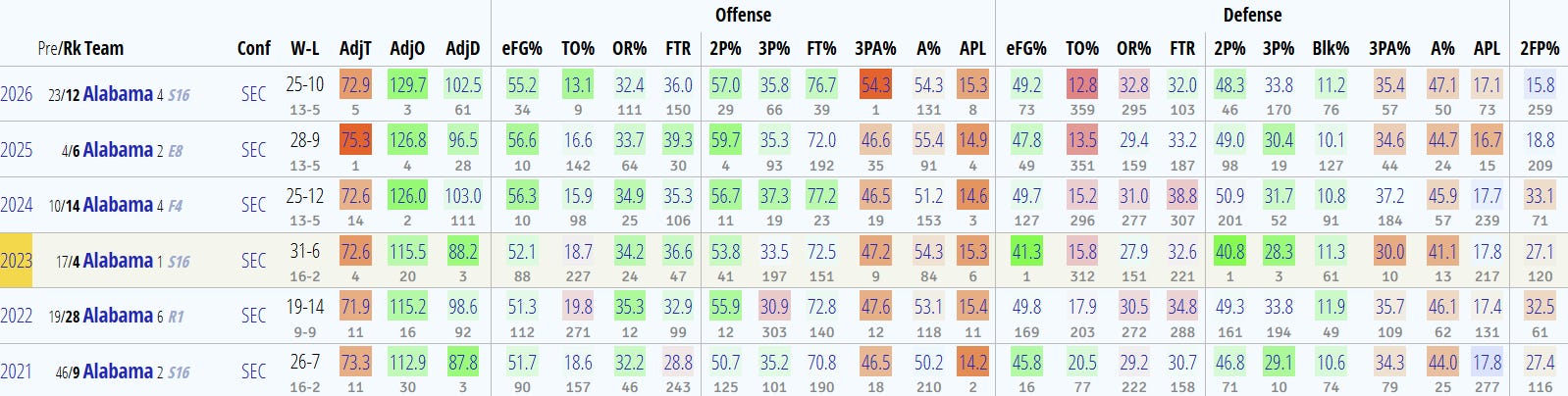
Oats’ success has helped elevate the program’s resources, but Alabama still does not operate as one of the SEC’s financial heavyweights. Defensive shortcomings may have limited some recent teams, yet few coaches can match the offensive consistency he delivers year after year. At a school where top-four seeds should not be the expectation, Oats has made them feel routine.
R1, P6 - Jai Lucas
Age: 37
Miami is a good, not great, job in the ACC. Even with two recent deep NCAA Tournament runs, this was only the program’s second top-30 KenPom finish of the past decade. All of that came in Jai Lucas’ first season. The Hurricanes benefited from a favorable ACC schedule, avoiding Duke entirely and facing North Carolina for only part of Caleb Wilson’s lone appearance, but this was also a team that started the season strong. Evaluating a first-year head coach is always difficult, yet Miami’s balanced profile stands out. This was not a team dependent on shooting variance or unsustainable results, which should provide a solid foundation for Lucas moving forward.
R1, P5 - Dan Hurley
Age: 53
Dan Hurley is the most accomplished coach of the 2020s, having reached three title games in the past four seasons and winning two of them. Before UConn returned to the Big East, Hurley fielded some forgettable teams in Storrs, but his ability to win NCAA Tournament games in consecutive seasons at Rhode Island demonstrated that his success could scale with opportunity.
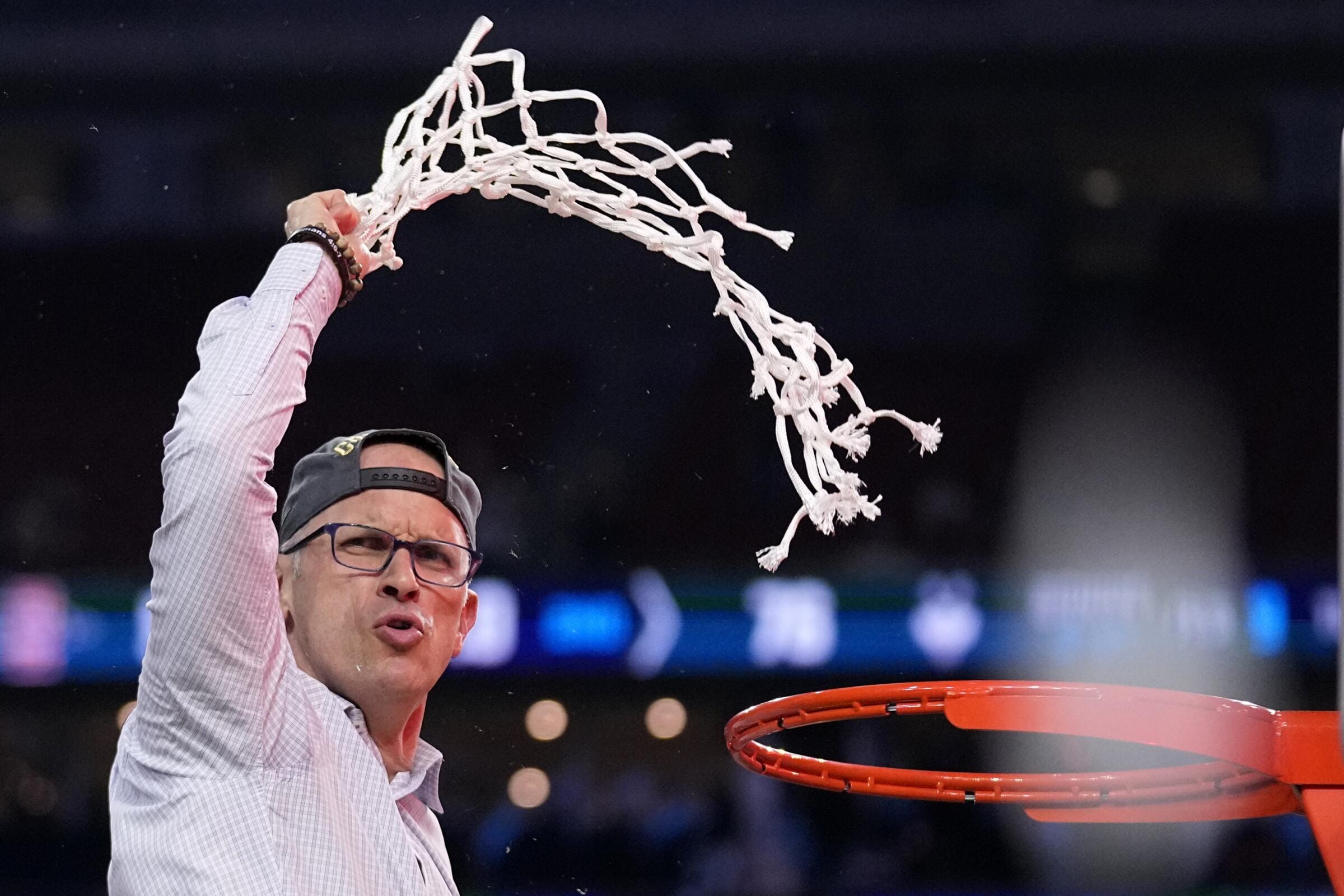
No coach in college basketball combines his level of accomplishment and relative youth. The résumé he has built in just this decade alone would be enough to define the careers of many coaches who spend decades in the profession.
Tier One: The Elite of the Elite
R1, P4 - Jon Scheyer
Age: 38
Jon has coached the national player of the year in each of the past two seasons and has led Duke to consecutive Elite Eights. Despite that success, every season since Coach K’s retirement has ended with a sense of disappointment. Much of that stems from the expectations attached to the Duke brand, but it remains notable that the program has now gone more than a decade without winning a national championship. Duke is one of the best-resourced programs in the country, and its advantages extend beyond finances.

The program’s history, alumni network, and track record of producing NBA talent create a foundation few schools can match. How many coaches could replace Scheyer and maintain this level of success? Given that he is only the second Duke coach since the 1970s, we may never know unless he eventually leaves for the NBA.
R1, P3 - Dusty May
Age: 49
The national championship-winning coach accomplished the feat in just his second season at the high-major level. This also was not his first Final Four, and the fact that he reached one at FAU, a program that was not overwhelmingly dominant within its league, suggests his rapid rise is not simply a product of circumstance. He may be slightly older than some rising stars in the profession, but that is a worthwhile tradeoff given his proven ability to compete and win at multiple levels and in multiple ways.
R1, P2 - Ben McCollum
Age: 45
McCollum has won at every level he has coached, and that success carried into his first season at the high-major level. Relative to the rest of the Big Ten, Iowa is not considered one of the conference’s premier jobs. The regular season was solid rather than spectacular, but this roster was built largely from non-DI and non-high-major talent. Guiding that group to the NCAA Tournament, and then winning there, speaks volumes about McCollum’s coaching ability. We have yet to see him at the Division I level without Bennett Stirtz, but Stirtz was not a Trevor Hudgins-level player. McCollum’s track record suggests he is a point guard whisperer who can continue producing results regardless of level or circumstance.
R1, P1 - Todd Golden
Age: 40
Golden won an NCAA championship in his 30s, and while he did not make it to the second weekend this past season, earning consecutive No. 1 seeds is impressive. Before arriving at Florida, Golden spent three seasons at San Francisco, leading the program to its first NCAA Tournament appearance of the 21st century and its best season of the KenPom era.
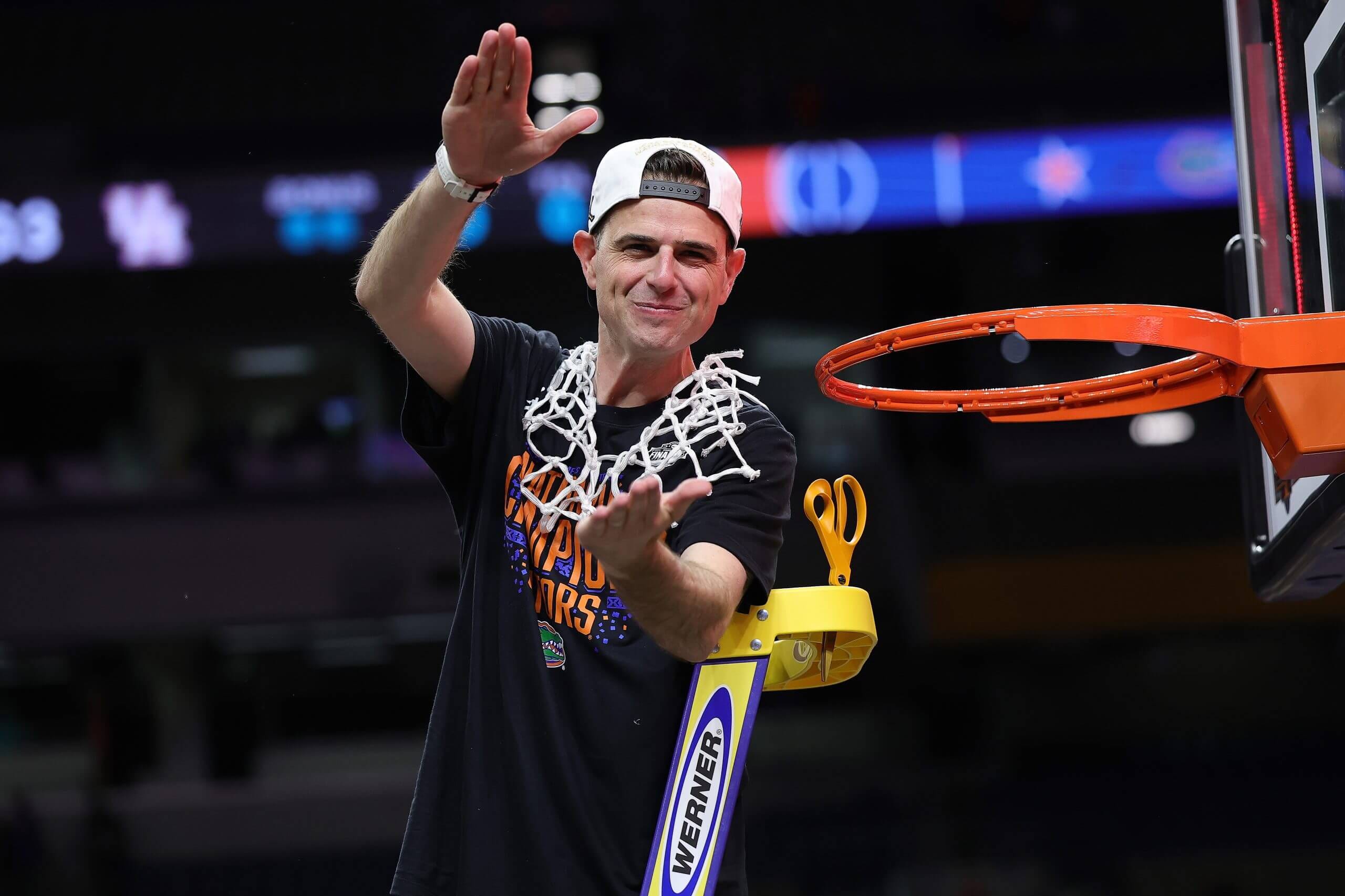
In fact, his final season at San Francisco finished higher in KenPom than either of his first two seasons in the SEC. Success came within three years at both stops, and while year four at Florida was remarkable, it is difficult to ignore the advantages that come with one of the nation’s best-funded programs. Both San Francisco and Florida rank in the upper tier of their respective leagues in projected support, and retaining Thomas Haugh on a reportedly near eight-figure NIL deal underscores that reality.
Benjamin comes through with the goods again. Great concept and great read.